Before the Scaffold Appears: A Neighbour-Friendly Plan for Window Week in St Clement
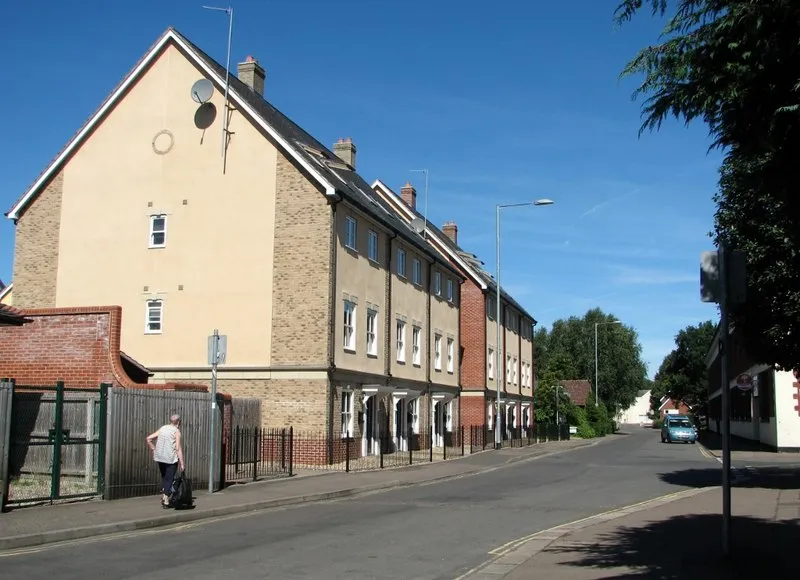
Photo: Evelyn Simak , CC BY-SA 2.0, via Wikimedia Commons
A window replacement on a St Clement terrace is rarely a private affair. The van arrives early, the scaffold goes up, the old units come out and the drilling carries down the close. None of that is a disaster — but it lands more easily when the people next door know it’s coming.
Good notice isn’t about asking permission to improve your own home. It’s about being a decent neighbour and removing the small surprises that turn a normal job into a week of awkwardness. Here’s a practical way to handle the conversations.
Start with the people who share your wall, not the whole street
Your first stop should be the immediate neighbours — the ones whose cars sit near your frontage, whose bins share the same strip of pavement, or whose drive you occasionally cross. If you live in a terrace, that probably means both sides. If you’re in a close with a shared parking area, it may mean a handful of doors rather than every house on the road.
Knock, text or catch them over the fence. Ask about anything they’ve got planned: a delivery, a hospital appointment, a car that needs to be on the drive, a child’s buggy route to school. You don’t need to solve every problem, but showing you’ve thought about it does most of the work.
The four-week rule — and when to bend it
Most installers will confirm dates a few weeks ahead. As soon as you have a firm start date, begin the neighbourly admin. A rough timeline looks like this:
- Four weeks before: Tell the immediate neighbours. Check whether the job needs a parking suspension, a scaffold licence or permission for a skip. On period streets, ask the installer what access they need beyond your own boundary.
- Two weeks before: Send a short note or message to the wider street if the van, scaffold or skip will affect shared space. Include the dates, working hours and a contact number.
- One week before: Remind the immediate neighbours. Confirm any car movements or access arrangements. If a shared drive is involved, agree who needs to be out when.
- The day before: A quick knock or text is enough. Scaffold teams can arrive early, so a final heads-up is kinder than a surprise at 7:30am.
- During the work: Keep your phone on. If the fitters are running late or the scaffold is staying an extra day, tell the people most affected.
If the job is urgent — a broken unit, a leak, a failed seal — the timeline compresses. Even then, a same-day note is better than nothing.
What to mention, and what to leave out
The useful details are boring ones: dates, working hours, noise, scaffold position, skip location, parking, access and who to contact. You don’t need to explain the glass specification or the frame profile. You definitely don’t need to turn the note into a sales pitch for your installer.
Be honest about uncertainty. If you don’t know whether the scaffold will be up for two days or four, say so. Neighbours cope better with “probably Thursday, I’ll confirm” than with a promise that quietly falls apart.
A short note that does the job
You can copy this, tweak it and send it by text, WhatsApp or a printed slip through the door:
Hello, just a quick heads-up that we’re having new windows fitted at [number] from [date] to [date]. The fitters will be on site from about [time] to [time], and there’ll be some drilling, a van outside and possibly a skip. If you need to move a car or use the shared drive, let me know and we’ll work around you. Sorry for the disruption — please knock or text [number] if anything’s a problem. Thanks, [name]
Short is good. A note that fits on one side of A5 is far more likely to be read than a full page of explanation.
Period streets need a slightly different conversation
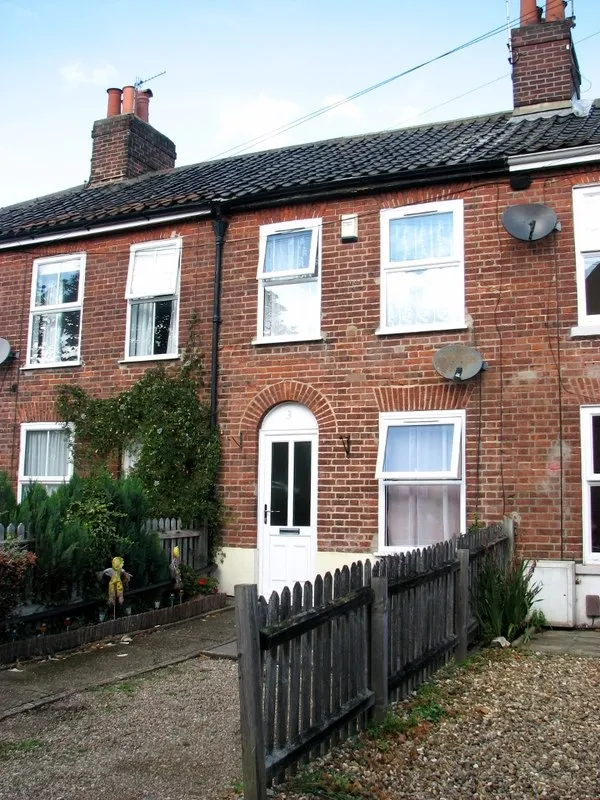
Older St Clement streets can be trickier. Terraces often mean scaffold that spans more than one frontage, shared gutters, narrow pavements and parked cars packed tight. If you live in a conservation area, the installer may need to agree scaffold positions or working methods before anything goes up. That’s not your neighbour’s problem to solve, but it is worth mentioning if the scaffold will cross a boundary or block a shared path.
If several houses on the same row are having glazing work done — or have had it done recently — a single shared note can work well. It stops everyone repeating the same conversation and helps coordinate when the scaffold lorry can actually get down the street. On period properties, also think about dust and old paint around sash windows. A quick warning that the frontage will be a bit chaotic for a couple of days is simple courtesy.
Parking, bins and the 7am delivery problem
Parking is usually the flashpoint. If you need a space kept clear, ask early and be specific: “Thursday and Friday, 8am to 4pm” is easier to agree to than “sometime next week”. If a permit suspension is needed, start that process as soon as the installer confirms dates. Don’t assume the neighbours know where to put their bins when the skip arrives — tell them.
Deliveries are the other small thing. If a neighbour is expecting a parcel or a grocery shop, a van blocking the close for twenty minutes can turn into a nuisance. A quick word the day before usually sorts it.
If someone isn’t happy
Not everyone will be delighted. Some people work nights, some have young children, some just don’t like change. Listen, adjust what you reasonably can and keep the tone friendly. You don’t need unanimous approval to replace your windows, but you do need to live there afterwards.
A five-minute conversation before the scaffold appears is worth more than a week of apologies afterwards. That’s the neighbourly notice — practical, short and sent before the first van turns into the street.