Sagging Sills and Sticking Sashes: Deciding Whether a St Clement Bay Window Is Worth Saving
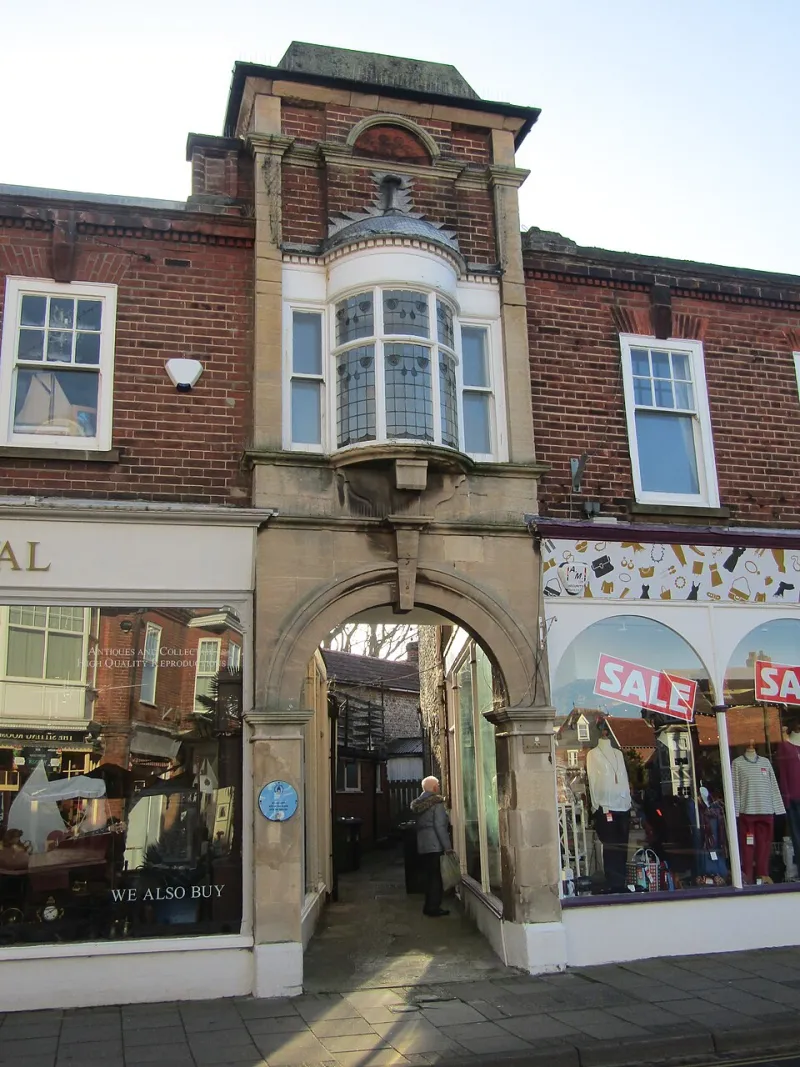
Photo: Kolforn (Kolforn) I'd appreciate if you could mail me ([email protected]) if you want to use this picture out of the Wikimedia project scope. This file is licensed under the Creative Commons Attribution-Share Alike 4.0 International license. Yo
Bay windows are the one bit of glazing nearly every St Clement homeowner has a firm opinion about. They pull in the afternoon light, they give a front room somewhere natural to sit, and on the older villas and terraces around the village they are half the reason the street reads the way it does. They are also the part of the house most likely to be quietly coming apart — a sill gone soft, a sash that jams whenever it rains, a draught that turns up in November and stays until March.
The awkward part is that the honest answer to "repair or replace?" changes from house to house, and getting it wrong is expensive in both directions. Rip out a sound timber bay and you've spent several thousand pounds making your home look plainer. Patch over a rotten uPVC one and you'll be back here in two winters. If we were stood in your front garden with a torch, this is roughly how we'd work through it.
Ask what you actually want first
Three goals get mixed together in these conversations: warmth, looks, and keeping the original detail. They point at different answers, and you can usually only chase two of them properly.
If the priority is a warmer front room before Christmas and the frame underneath is sound, new glazing units in the existing frames will do most of the work for a fraction of the cost. If the goal is kerb appeal — the bay is the first thing anyone sees from the road — then the frame finish matters as much as the glass, and a well-repaired timber bay will beat a cheap replacement every time. If the goal is preserving period detail, be honest that replacement is a compromise even when it's the right call, and choose a joiner or installer who can match the profile and the sightlines rather than one who'll fit the standard catalogue item.
Settle this before you ring anybody. Otherwise you'll get whichever answer the person on the phone sells most of.
Read the frame before you read the quotes
Material tells you a lot about what's worth doing.
Timber. Rot starts low and works upwards — the bottom corners, the sill ends, the bottom rail, and the joint where the frame meets the wall. Probe with a small screwdriver at those points. A soft patch the size of a 50p coin is a repair. A bottom rail that's spongy for a metre is not.
uPVC. These don't rot, but they do sag. Look for gaps opening at the joints of the bay, sticking on the opening sashes, and a roof or fascia that has dropped away from the wall. If the bay itself has twisted, no amount of new glass will sort it.
Aluminium. Usually the most durable of the three, but check the thermal breaks and the seals — older aluminium without a thermal break will be cold enough to drip onto the sill.
Repairs that genuinely earn their keep
- Re-hanging, adjusting and re-cording sashes so they close properly again
- Re-puttying or re-glazing single panes where the putty has crumbled away
- Replacing failed sealed units in frames that are still sound — usually the best-value job on this list
- New hinges, handles and locking hardware
- Localised timber repair: resin fills, or splicing in new sections of sill rather than replacing the whole bay
- Re-sealing the joint between frame and masonry, which is where a surprising number of "window draughts" actually come from
A well-made timber bay, looked after, will outlast two replacement windows. If a joiner tells you the frame has another fifteen years in it, that's worth listening to.
When replacement is the sensible answer
- Rot has reached the structural sections of the frame, not just the sill face
- The bay has dropped, twisted, or pulled away from the wall
- Several units have failed at once and the frames are tired
- A previous cheap replacement is now failing badly and can't be adjusted back into shape
- You're chasing a step-change in performance — single glazing throughout, or a bay with no insulation anywhere in it
The bit everyone forgets: a bay has to hold itself up
Bays are usually self-supporting, sitting on corbels or brackets, or cantilevered out from the main wall. That's fine until water gets into the fixings. If there's any sign of movement — a crack in the plaster above the bay, a frame that's no longer square, a gap that opens and closes with the seasons — get someone to look at the structure before anyone quotes you for glass. New windows fitted into a moving bay simply move with it.
Paperwork, conservation areas and the rules
Parts of St Clement sit within a conservation area, and some properties are covered by Article 4 directions that restrict what you can change. Listed buildings need consent for almost any alteration. Check with Cornwall Council's planning team before you order anything — uPVC in a timber bay within a conservation area is exactly the sort of thing that ends in an enforcement letter.
Replacement windows also need to meet Part L on thermal performance and Part F on ventilation. If your installer is FENSA or Certass registered they'll handle the notification; if not, you'll need building control involved.
Questions worth asking before you commit
- Is the rot in the frame, or just the sill face?
- If you repair this, how long will it realistically last?
- What's the whole-window U-value of what you're proposing, not just the centre pane?
- Will you match the existing sightlines, or will the glazing bars change width?
- Does your price include making good inside and out, plus any scaffolding?
- What happens if you find more rot once the frame is off?
A quote that can't answer those without hedging is a quote worth leaving in the drawer.
The short version
Repair when the frame is sound and the problem is glazing, seals or hardware. Replace when the frame is failing, or the bay has moved. And if the whole point is character, spend the money on a good joiner rather than a shiny new unit — you'll notice the difference every time you walk up the path.