The Conservation Officer Isn't the Enemy: A St Clement Window Guide for Older Streets
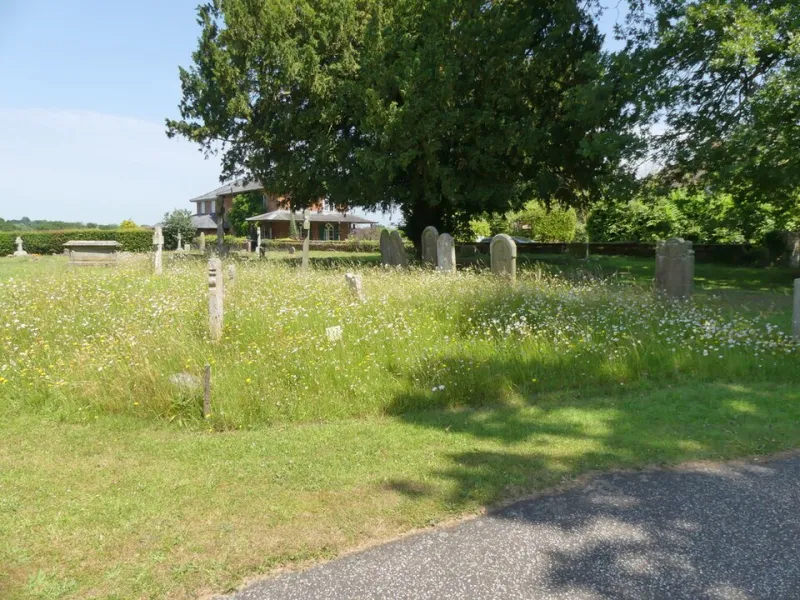
Photo: David Pashley , CC BY-SA 2.0, via Wikimedia Commons
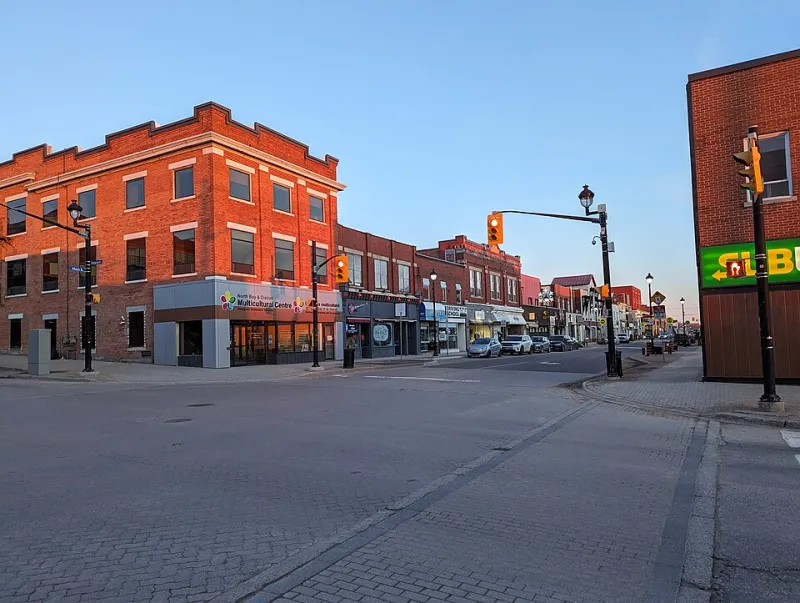
If you live on one of St Clement's older streets, you'll know the look: brick or render, painted sashes, a bit of weathering, and a frontage that has probably been there longer than any of us. It's the sort of street people move to because it feels like somewhere, not just anywhere. So when a window starts letting in cold air or the paint starts flaking, the question isn't only 'what can I afford?' It's also 'what am I allowed to do?'
That's where things get foggy. Conservation area rules are not designed to be confusing, but they often are. The good news is that most homeowners can work through this without drama. You just need to know what you're dealing with before you sign anything.
First, Find Out What You're Actually Dealing With
Not every older house sits inside a conservation area, and not every conservation area has the same rules. Before you start collecting quotes, spend ten minutes on your local planning authority's website. Look for the conservation area map and check whether your street is inside the boundary. If it is, look for any Article 4 directions attached to it. These are the local rules that remove some of the automatic permitted development rights homeowners normally have.
If your home is listed, stop there and take a different route. Listed buildings have their own consent process, and it applies to the whole building, inside and out. Replacing windows on a listed property without listed building consent is not a small paperwork slip. It can lead to enforcement action, and it can make a future sale genuinely difficult.
If you're not sure, ring the council's conservation officer. They are usually less scary than the job title suggests. A short, polite conversation about your address and what you're thinking of doing will save you weeks of guesswork.
What Usually Needs Permission, and What Usually Doesn't
In a conservation area, the general principle is that you should preserve or enhance the character and appearance of the area. That doesn't mean every change needs a planning application. Routine repairs, like-for-like maintenance and redecoration are normally fine. But replacing windows is different. If you're changing the material, the style, the proportions or the way the window sits in the wall, there's a good chance permission will be needed, especially where an Article 4 direction is in force.
A common misunderstanding is that uPVC is banned outright in conservation areas. It isn't, in law, across the board. But it is often resisted, and in some areas an Article 4 direction specifically requires permission for uPVC windows. Even where permission isn't strictly required, a poorly chosen uPVC window can look out of place on a period street. The frame may be too chunky, the colour too bright, the glazing bars too wide, or the opening pattern wrong for the house.
The Article 4 Direction: The Bit That Catches People Out
Article 4 directions are local planning tools. They withdraw certain permitted development rights, which means work that would normally be allowed without a planning application suddenly needs one. For windows, this often means that replacing or altering windows requires permission. It can also cover doors, roofs, chimneys and front gardens, depending on the area.
This is why two houses on similar-looking streets can have completely different rules. One may sit in a conservation area with no Article 4 direction; another may be covered by one. You cannot assume your neighbour's experience applies to you. Check your own address, and keep a note of what you find.
Choosing a Window That Looks Right and Works Better
A sympathetic window doesn't have to be a museum piece. The aim is to match the character of the house and street while improving the things you actually care about: warmth, noise and maintenance.
For period homes, the most convincing options usually keep the sightlines slim. That means narrower frames, glazing bars that match the original pattern, and a finish that suits the age of the building. Timber is the traditional choice, and modern timber windows can be double glazed and draught-proofed far better than their older counterparts. If you want a low-maintenance alternative, some uPVC ranges offer flush sashes and woodgrain foils that are much more convincing than the bulky white frames of twenty years ago. But they still need to be chosen carefully, and your conservation officer will want to see the details, not just a colour swatch.
Colour matters too. Bright white can stand out sharply on an older street. Off-white, cream, stone, grey or a muted heritage shade often sits more comfortably. And if the rest of the terrace has painted sashes, a chunky casement will look like a stranger even if the glass is excellent.
Warming Up an Old Window Without Ruining It
If your existing windows are original and in reasonable condition, repair and upgrade can be the better route. Draught-proofing, repairing sash cords, replacing putty and adding secondary glazing can make a real difference to comfort without changing the street-facing appearance. Secondary glazing is often a good option in conservation areas because it leaves the original window in place.
Where replacement is the right call, double glazing with slim units and warm-edge spacers can improve thermal performance without fattening the frames too much. Acoustic laminate can help on busier roads. And a properly fitted window, with the gap around the frame insulated and sealed, will usually outperform a fancier window that has been rushed in.
A Sensible Order of Operations
Start with the planning check, not the showroom. Once you know whether you need permission, talk to the conservation officer early. Ask what they would expect to see in an application for your house. Get quotes that specify frame material, profile, glazing specification, colour, opening pattern and glazing bar dimensions. Keep records of any advice you receive. And choose an installer who has worked in conservation areas before, because the details are where these jobs succeed or fail.
The Neighbourly Bit
Windows are one of those rare home improvements that affect more than your own four walls. On a terrace or a close-knit street, the look of the frontage is shared. A sensitive choice keeps the street coherent and protects the thing that made you want to live there in the first place. It also tends to protect resale value, because future buyers are usually buying the street as much as the house.
So no, the conservation officer isn't the enemy. They're part of a process that is there to stop the street losing the character that makes it worth living on. Do the checks, ask the questions, and choose a window that does its job quietly. That's the dependable route, and it's usually the one that causes the fewest headaches later.