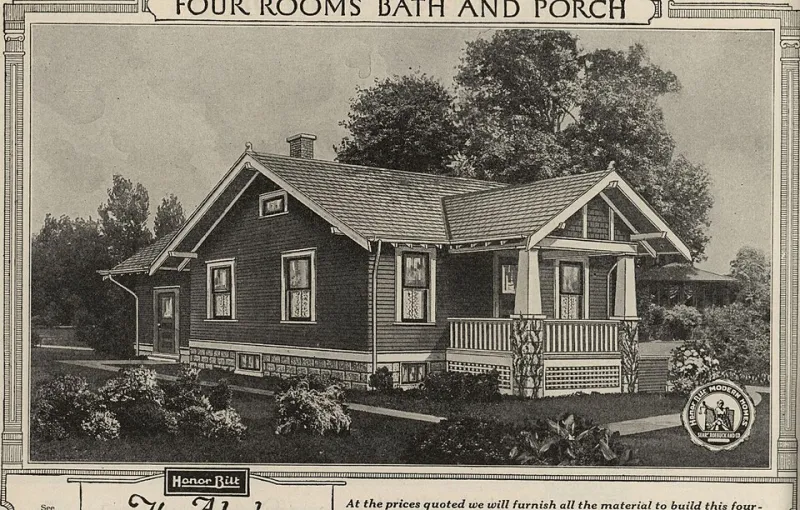
Four O'Clock Sun and a Too-Warm Front Room: Solar Control Glass, Explained for St Clement Homes

Photo: Wazk26, CC0, via Wikimedia Commons
Every street has one. The front room with the big south-facing bay, lovely from October to April, and pretty much unusable from May to September. You shut the curtains at half three, the sofa gets hot to the touch, and the telly turns into a mirror. If that's your house, you're not imagining it — and you're not the only one on the road wondering whether solar control glazing is the answer or an expensive way to make a bright room look like a car park.
Let's take it slowly. There's a lot of jargon floating about, and quite a bit of it is doing more harm than good.
What solar control glazing actually does
Ordinary double glazing already slows heat down. A standard unit with a low-e coating keeps warmth in during winter, which is exactly what you want for nine months of the year. Solar control glass is a different job. It's designed to limit how much of the sun's energy gets through in the first place, so the room heats up more slowly when the sun is on it.
The two numbers installers will wave at you are these:
- g-value — the fraction of solar energy that passes through the glass. Lower means less heat coming in. A standard unit sits somewhere around 0.6 to 0.7; a solar control unit might be 0.3 to 0.4.
- light transmission — how much visible daylight gets through. This is where people get caught out. You can have a lovely low g-value and a room that feels like a November afternoon in a library.
The trick is buying both at once: less heat, still plenty of light. Better coatings manage this, and the good ones are described as 'selective'. If a quote only mentions one of the two numbers, ask about the other.
'Tinted' doesn't have to mean grey
Here's where the reputation comes from. Older solar glass, and a lot of cheap window film, leaned blue or grey or a slightly odd bronze. From inside, on a dull day, it read as gloomy. From outside, it looked like the house was wearing sunglasses.
Modern coatings are much subtler. Many are effectively colourless from the inside and only pick up a faint tint when you look at the glass from the street in certain light. Some are genuinely neutral; others have a slight warmth or a hint of green. None of that is a problem, but it does mean you can't judge it from a swatch on a desk. Ask to see a sample held up against a window on a bright day, and look through it both ways — in and out.
A quick word on films, because they come up a lot. A decent applied film can take the edge off a hot window for a fraction of the cost of new glass, and it's a sensible stopgap. But films aren't everyone's cup of tea on the inside of a sealed unit, they can void a guarantee if applied badly, and they don't last like a factory coating. Worth knowing before you commit either way.
What it can and can't fix
It can help with:
- Glare on a screen or a kitchen worktop during the afternoon.
- A room that heats up quickly and stays warm into the evening.
- Fading of furniture, rugs and pictures, though it slows this rather than stops it.
- The general 'greenhouse' feel in a south or west-facing room.
It won't fix:
- A room with no shading at all and six hours of direct sun. Glass does its bit; the sun still wins sometimes.
- Poor ventilation. If the heat can't get out, it won't matter much how little got in.
- A conservatory that's simply too hot in July. That's a bigger conversation about shading, vents and roof blinds.
- Cold spots, draughts or condensation. Different problems, different answers.
A room-by-room way to decide
Before anyone measures up, walk round the house on a sunny afternoon and be honest about which rooms actually suffer. Then work up this ladder, cheapest first.
- Free stuff. Curtains closed before the sun hits, a well-placed tree or a sail shade outside, moving the desk. Unglamorous but effective.
- Blinds and shutters. A good blind on a south-facing window solves a surprising amount of glare for a fraction of the cost. External shading — an awning, a louvre, a brise-soleil — is often the most effective single move, because it stops the sun before it reaches the glass.
- Window film. A practical middle step, especially if you're not planning to replace the windows for years.
- Solar control glazing. The right call when the windows are being replaced anyway, or when the room is genuinely uncomfortable and everything above has been tried.
Apply that room by room. A south-facing living room that's only used in the evening probably needs less than you think. A kitchen extension with a wall of glass and a hob in the sun is a different story. A bedroom that gets hot at 9pm may be better served by a blind and a window left on the night vent.
Questions worth asking an installer
- What's the g-value and the light transmission of this unit, side by side?
- Is the coating neutral, or will I notice a colour from inside?
- Does this meet the current Part L requirements for my type of replacement? (Solar control and energy efficiency pull in slightly different directions, so it should be a considered choice, not a default.)
- What happens to my winter heat gain — am I trading summer comfort for a colder January?
- Can I see a sample in daylight before I order?
- Does the coating affect the guarantee or the cleaning?
The winter trade-off, briefly
One thing nobody mentions until you ask. Solar control glass also blocks a bit of the free winter warmth that a south-facing window gives you. For most St Clement homes that's a fair swap — summer comfort is the bigger problem — but if your front room is already chilly in February, say so before the order goes in. A good installer will adjust the specification rather than nod and carry on.
Get the room right and a south-facing window is the best thing in the house. Get it wrong and you've spent a few thousand pounds making a bright room slightly beige. Take the afternoon to watch where the sun actually lands, ask the two numbers, and see a sample in daylight. That's most of the job done.