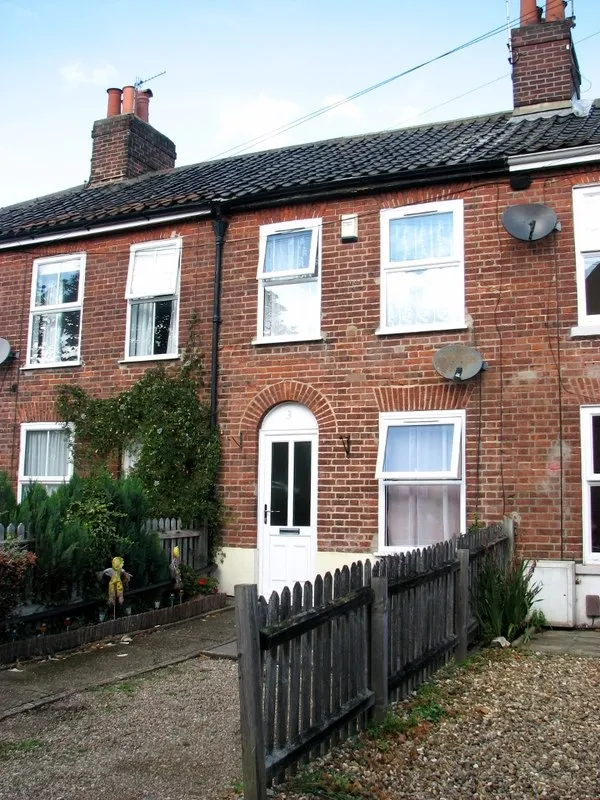
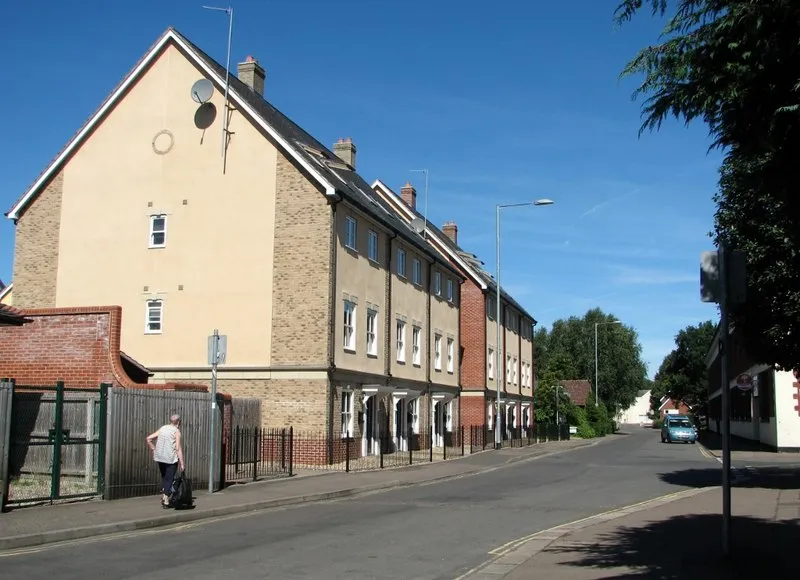
When Every Room Is Downstairs: A Bungalow Owner’s Guide to Windows That Work at Ground Level
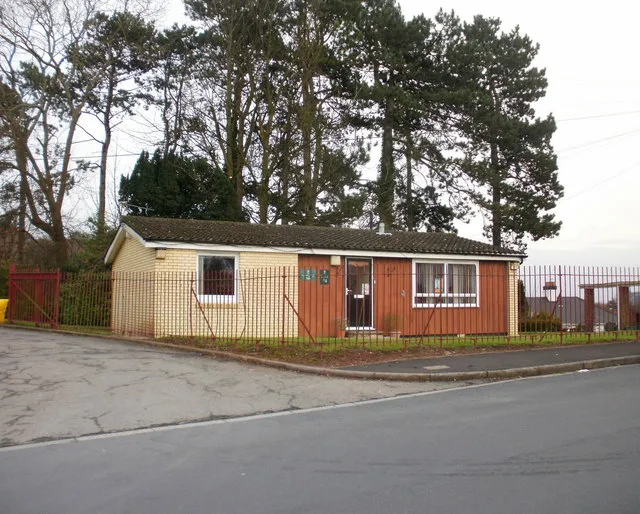
Photo: John Grayson, CC BY-SA 2.0, via Wikimedia Commons
Most window advice quietly assumes you’ll be standing at the bottom of a staircase. For a bungalow in St Clement, that changes the brief. Every room is on the ground floor, every window is within arm’s reach, and every opening has to balance daylight with security, privacy and comfort. There’s no upstairs to hide behind.
That doesn’t mean single-storey homes need special or exotic glazing. It means the usual choices need a different set of questions. Here’s how to think it through without turning a straightforward upgrade into a puzzle.
Start with the sill, not the style
On a two-storey house, the upstairs windows often sit high enough that safety glass is a background detail. In a bungalow, low sills are one of the pleasures: you can see the garden from the sofa, and the front room feels connected to the street. But low glass needs treating with respect.
As a rule of thumb, glazing that sits within 800mm of the floor is in what the building regulations call a critical location. That’s where safety glass — toughened or laminated — comes in. Your installer should be able to explain exactly which panes need it and why. If they wave the question away, that’s a small warning sign.
Low sills also affect how you use a room. A radiator under the window, a sofa backed up against the glass, a dining table pushed into the bay — all of these can make a lovely wide window feel awkward. Measure the furniture before you order, not after. In a bungalow, the window and the room plan are a package deal.
Living at pavement level
Privacy is the bungalow owner’s constant companion. In St Clement, plenty of single-storey homes sit close to the pavement, and a low window with a clear view out is also a clear view in. The answer isn’t to turn the front room into a bunker.
A common approach is a split design: clear glass above, textured or frosted glass in the lower pane. You keep the daylight and the view of the sky, while passing pedestrians don’t get a free tour of your bookshelf. Obscure glass comes in different levels, so ask to see samples in daylight rather than choosing from a tiny swatch.
If the whole window needs to stay clear, window film or a well-fitted blind can add privacy without blocking light. Just don’t rely on net curtains as a security measure. They soften the view; they don’t stop anyone. Privacy glazing is about comfort, not protection.
Wide rooms, strong sun
Bungalow living rooms are often wider than their upstairs equivalents, with more glass across one wall. That’s lovely in December and less lovely in a hot July. West-facing glazing can turn a front room into a greenhouse by late afternoon, and a wide span of ordinary glass gives the sun plenty of opportunities.
Solar control glass is worth discussing if overheating is already a problem. It reduces the amount of heat coming through while still letting daylight in. But don’t put it everywhere by default. A south-facing bedroom and an east-facing kitchen have different needs, and a good installer will look at the orientation of each elevation rather than selling one specification for the whole house.
External shading, deep eaves and well-chosen blinds all have a part to play too. In a single-storey home, you also have easier access to the outside of the glass, which makes external blinds or awnings more practical than they might be upstairs. The goal is a room that feels bright without becoming uncomfortable.
Cleaning without the ladder
One of the quiet advantages of a bungalow is that you can reach the outside of your windows without a ladder. Use that. Choose opening styles that let you clean the outside pane from inside — tilt-and-turn and some top-hung designs do this well — especially for windows above a flower bed, a path or a sloping garden.
Fixed glazing can still work beautifully, but think about how you’ll clean it. A large fixed pane behind a sofa may look superb and be a nuisance to reach. In kitchens and utility rooms, easy-clean coatings can help, but they don’t replace access. If you can’t comfortably reach the glass, the shine will fade fast.
Fresh air without the draughts
New windows are much tighter than old ones, which is good for warmth but can leave a bungalow stuffy. Trickle vents provide background ventilation without leaving a window open on a latch. They’re not glamorous, but they matter, particularly in bedrooms and living rooms where moisture and stale air build up.
If your home is near a busy road, acoustic trickle vents are worth asking about. They let air in while taking the edge off traffic noise. And if you choose opening restrictors for security, make sure they still allow a sensible amount of ventilation. A window that is either shut tight or wide open isn’t much of a choice.
The test is simple: can you ventilate the room on a rainy Tuesday without a gust rolling across the floor? If not, the specification needs another look.
The bungalow test before you sign
Before you commit, walk around your home and ask five questions of each window. Can I see out without feeling exposed? Is the glass safe where it’s low? Will this room overheat in summer? Can I clean the outside pane safely? And can I get fresh air without a draught?
A bungalow doesn’t need a different rulebook from the rest of St Clement. It just needs a supplier who remembers that every window is a ground-floor window. Get that right, and a single-storey home becomes exactly what it should be: bright, private, secure and easy to live in.