The Afternoon Sun Has Moved: A Practical Glazing Plan for a Shaded St Clement Room
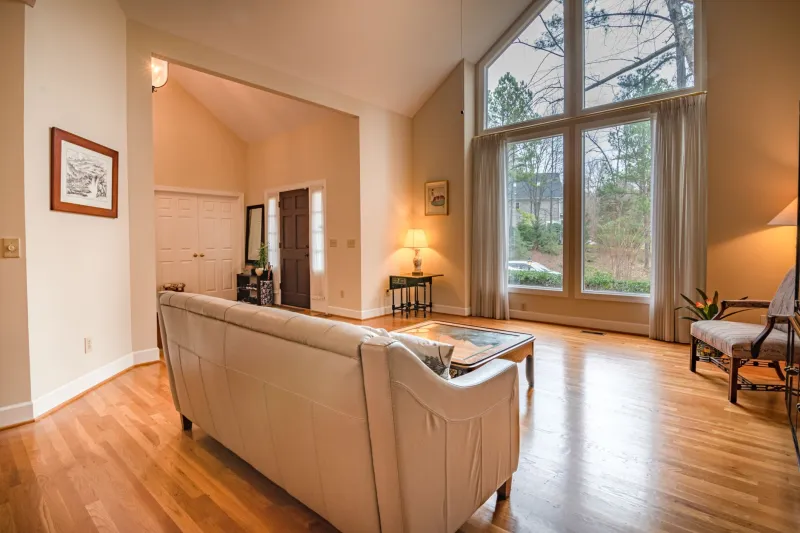
You didn't move house. The house next door grew. Or the wall at the end of the garden got taller, or the tree that used to be a pleasant screen now has a canopy like a marquee. Either way, the back room that used to catch the afternoon sun now feels like it is waiting for something that never arrives.
It is a familiar story in St Clement, especially where older terraces and semis sit close together and gardens are long but narrow. The instinct is to blame the window and start shopping for glass. That is understandable, but it is worth slowing down for a minute. Glazing can make a real difference to a dim room, but it is only one part of the light story.
First, work out what kind of light you have actually lost
Light arrives in a room in three broad ways: direct sun, open sky view and bounced or reflected light. A neighbour's extension might block one, two or all three. A new boundary wall tends to steal low-angle sun and sky. A mature tree is different again, because it can shade a window in summer and then let light through in winter when the leaves drop.
Before you ring anyone for a quote, spend a week noticing the room at different times. Take a few phone photos at breakfast, mid-afternoon and teatime. Note whether the gloom is worst in the morning or late afternoon. That simple record will tell a glazing installer far more than a vague feeling that the room is dark. It also stops you buying a solution for the wrong problem.
What better glazing can genuinely do
A new window will not bend sunlight around a brick wall. It cannot replace direct sun that now lands on next door's roof. But it can make better use of the light that still reaches the glass, and in a darker St Clement room that is worth having.
The first lever is simple: more clear glass and less frame. If you are replacing like-for-like, think carefully before adding Georgian bars or a busy grid pattern that is not required by the style of the house. A casement with one wide pane, or a bay with slim central glass, will usually feel brighter than the same opening chopped into small sections.
Frames matter too. Slim aluminium, slender composite profiles and modern heritage-style frames can give you a larger visible pane without pretending to be something the house isn't. The gain is not enormous, but in a room that has lost its best hour of sun, every extra centimetre of clear glass helps. Just make sure the frame still meets the thermal and security standards you would expect in 2026.
Then there is the glass itself. Standard clear double glazing is fine for most homes. If you are chasing light, avoid heavy tints, patterned glass, dark privacy film and unnecessarily thick decorative leading. Low-iron glass reduces the faint green cast you get with ordinary glass, and anti-reflective coatings can make the view feel clearer, though both cost more. Triple glazing is not automatically brighter; the extra pane is not the main issue, but the chunkier frame often is.
Finally, look at the reveal. Deep reveals in older walls can swallow light, especially if they are painted dark or cluttered with heavy curtains. Splayed reveals, pale paint, slim trims and curtains hung wide of the glass can all help the window do its job. If the room is a single-storey extension, a roof window or a well-placed rooflight may bring in more useful light than a premium front window, but that is a bigger project and needs proper building regulation advice.
What glazing cannot do, and when to look elsewhere
This is the honest bit. If a neighbouring extension has removed most of your sky view, a new window will make the most of what is left, but it will not turn the room into a sun lounge. If a boundary wall now blocks the low winter sun, glass alone is not a magic fix.
Right to light is a complex area of law, and planning permission for next door does not automatically protect your window. If the loss of light is serious, it is worth taking advice from a planning consultant or solicitor rather than expecting a glazing quote to solve it. Similarly, if trees are the issue, check whether a Tree Preservation Order or conservation area rules apply before you or a contractor start pruning. And if the tree belongs to next door, a calm conversation is usually a better first step than a chainsaw.
A sensible order of operations for a darker room
Start by documenting the light, as above. Then check the paperwork and planning history if you are unsure what next door has built. If trees or a wall are involved, raise it politely and early. Only then should you get glazing quotes, and ask specifically for clear glass, slim frames and as little unnecessary framing as possible.
At the same time, think about the room itself. A mirror on the wall opposite the window, pale walls and ceiling, a lighter floor covering and a lamp in the dark corner can all lift a room before a single pane is replaced. Move the desk or armchair nearer the glass. Take down the heavy voile that filters light all day. Sometimes the cheapest fix is a tin of pale paint and a curtain pole that reaches wider than the window.
Choosing the window without overpromising
When you do replace, keep the brief practical. Keep escape windows opening properly. Keep safety glass where it is needed. If road noise is also a problem, clear acoustic laminate can help without turning the room into a cave, but check the light transmission rather than assuming all acoustic glass is equal. For older St Clement homes, a slim double-glazed sash or a simple casement in keeping with the street is often the sensible middle path.
A good installer should tell you when a cheaper window will do everything the room needs, and when the money would be better spent on a rooflight, a lighting plan or even a different room layout. That is not a sales failure; it is what dependable glazing advice looks like.
The sun has moved. You cannot argue it back. But with a clear-eyed look at the glass, the frame, the reveal and the room around it, you can make the light you still have work a lot harder.